
Understanding Portable Power Banks
Portable power banks have become an essential accessory for modern consumers, especially in our increasingly mobile-oriented world. These compact devices serve as external batteries that can charge smartphones, tablets, and other electronic gadgets when a traditional power source is unavailable. The primary purpose of a portable power bank is to provide a convenient and reliable energy solution for people who are often on the move, whether they are traveling for business, enjoying outdoor adventures, or running errands.
At their core, portable power banks consist of rechargeable lithium-ion or lithium-polymer batteries housed in a protective casing. They store electrical energy for later use and draw power from the mains supply during charging. Users simply require a compatible charging cable to connect their devices to the power bank, which typically features multiple output ports. This allows for simultaneous charging of more than one device, making these power banks practical tools for multitasking users.
The importance of having a reliable power source cannot be overstated, particularly in our digital age where a dead battery can disrupt both personal and professional activities. From business professionals relying on their mobile devices for communication to students needing a swift charge between classes, the ability to maintain power availability can significantly enhance productivity and peace of mind.
Furthermore, choosing the right portable power bank is crucial as not all power banks are created equal. Factors such as capacity, charging speed, output ports, size, and weight should all be considered to match individual needs. For instance, a frequent traveler may prefer a lightweight option with high capacity, while a casual user might prioritize a more affordable and compact model. Understanding these nuances sets the stage for making informed decisions in selecting the best portable power bank for diverse scenarios.
Best Power Banks for Travel and Flights
Traveling often presents unique challenges when it comes to keeping electronic devices charged. For frequent travelers, utilizing the best portable power banks proves essential in mitigating the dreaded “battery anxiety”—the persistent worry about one’s device running out of power at inopportune moments. This section aims to highlight power banks specifically designed for travel, detailing their significant benefits and pertinent features that cater to travelers’ needs.
Power banks intended for traveling should be lightweight and compact to seamlessly fit into pockets or carry-on bags, thereby enhancing convenience and portability. A high capacity is equally important, as it ensures that devices such as smartphones, tablets, and laptops can be charged multiple times without requiring a recharge of the power bank itself. A capacity of 10,000mAh or higher is typically recommended for extended travel, as it provides an adequate buffer for devices that may drain quickly during use.
In addition to capacity, airlines impose specific regulations regarding the size and wattage of power banks that can be brought onboard. Most airlines permit power banks with a capacity of up to 100Wh (watt-hours), which generally corresponds to around 27,000mAh for a lithium-ion battery. However, it’s crucial for travelers to verify individual airline policies, as there can be slight variations in regulations. Travelers should also keep the power bank in carry-on luggage instead of checked baggage to ensure compliance with safety protocols.
In choosing the best travel-friendly power banks, consumers should consider features such as fast charging capabilities, multiple USB ports for charging multiple devices simultaneously, and temperature control to avoid overheating. By selecting the right power bank, travelers can navigate their journeys with the confidence that their devices will remain charged and ready for use, enhancing the overall travel experience.
Best Power Banks for Phones and Tablets
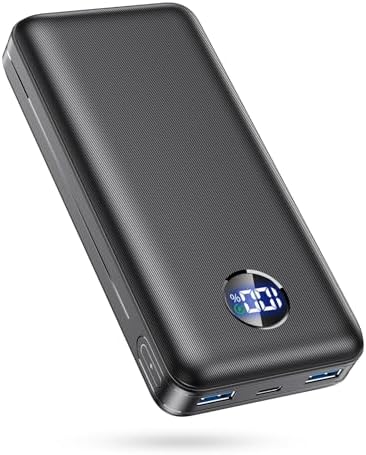
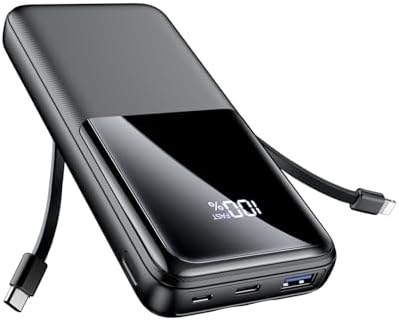
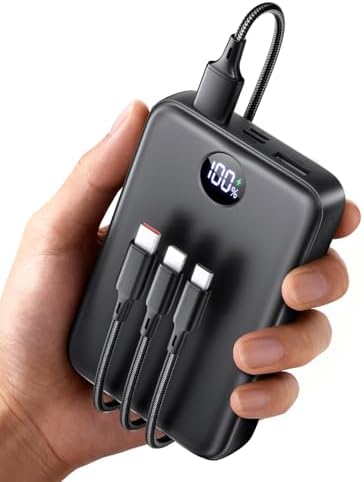
As smartphones and tablets have become integral to our daily lives, the need for reliable power banks tailored for these devices has surged. For the average user—be it a busy professional, a student, or a traveler—having access to a dependable power source is crucial to keep their devices operational throughout the day. Here, we will explore the characteristics that make certain power banks particularly suitable for smartphones and tablets.
One of the primary issues power banks address is the limited battery life of mobile devices. Users often find themselves needing a charge when they are on the go. A power bank designed for phones and tablets can mitigate this problem by providing a portable, convenient solution. Key specifications to consider when selecting a power bank include charging speed, battery capacity, and the number of USB ports available. Fast charging capabilities (often expressed in volts or amps) are essential for those who want to quickly recharge their devices without significant downtime.
Moreover, the capacity—measured in milliampere-hours (mAh)—determines how many times a power bank can recharge a device. A capacity of at least 10,000 mAh is generally recommended for charging smartphones multiple times or for ensuring tablets receive adequate power throughout the day. Additionally, having multiple ports allows users to charge more than one device simultaneously, which is particularly beneficial in social situations or when traveling.
However, there are trade-offs to consider. Higher capacity power banks may be bulkier and heavier, making portability a challenge. Users should evaluate their needs versus the convenience of carrying a lightweight option. Avoiding common purchasing mistakes involves careful consideration of brands, reading user reviews, and ensuring compatibility with the devices you plan to charge. Keeping these factors in mind will enhance your purchasing experience and ensure you select the best power bank for your phones and tablets.

Best Power Banks for Laptops and High-Power Devices
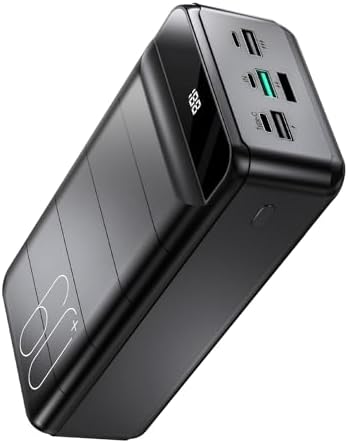
As technology continues to advance, the need for high-capacity power banks has become increasingly important, especially for those who rely on laptops and other power-hungry devices. Power banks designed specifically for laptops provide the necessary voltage and capacity to support these devices, often proving essential for remote workers, digital nomads, and anyone who frequently works on the go.
When selecting a power bank for a laptop, key features should be taken into consideration. First and foremost is the capacity, measured in milliampere-hours (mAh). A power bank with a capacity of 20,000mAh or higher is typically recommended for charging laptops, as it can provide sufficient power to extend usage significantly without frequent recharging. Additionally, voltage compatibility is crucial; look for power banks that offer outputs of 20V or support Power Delivery (PD) protocols to ensure compatibility with various laptop brands.
While high-capacity power banks bring numerous benefits, they often come with limitations. Many of these models tend to be larger and heavier compared to standard power banks designed for smartphones and tablets. Users expecting a compact, lightweight solution may find high-capacity options cumbersome. Furthermore, misconceptions regarding power bank capabilities may lead potential buyers to overlook essential specifications, such as the required wattage for their devices.
It is vital for users to understand the distinction between power banks suitable for consumer electronics and those that can effectively charge high-demand technology like laptops. This understanding ensures that individuals can make well-informed choices, ultimately selecting the best portable power banks tailored to their specific needs.
Best Compact and Lightweight Power Banks
In today’s fast-paced world, the need for reliable power sources on-the-go is more crucial than ever. For individuals who prioritize portability while requiring adequate power, compact and lightweight power banks have become the preferred choice. These devices are specifically designed for users who desire the convenience of charging their devices without the bulkiness that often accompanies traditional power banks.
Compact power banks cater primarily to travelers, outdoor enthusiasts, and busy professionals who are frequently on the move. The typical issues faced by these users include limited space in bags, the need for weight-efficient tools, and the inconvenience of being without power during critical moments. A lightweight power bank solves these problems by providing a convenient charging solution without adding excessive weight or size to their belongings.
When selecting a compact power bank, it is important to consider several desirable features. Firstly, a small size is a significant factor; many of the best models are engineered to easily fit in a pocket or a small purse. In addition to size, lightweight construction is essential. Most compact options utilize advanced materials that maintain durability while minimizing weight.
However, achieving a balance between capacity and portability often involves trade-offs. Many lightweight power banks sacrifice some charging capacity to maintain their compactness, so users will need to consider how much power they typically require. For example, while a portable power bank may hold less energy than bulkier alternatives, it is crucial to select one that offers sufficient capacity for your devices based on daily usage.
Ultimately, the ideal compact power bank should serve its purpose of providing essential power while fitting seamlessly into a user’s lifestyle, maximizing convenience without compromising on performance.


High-Capacity Power Banks for Emergencies
In an increasingly digitized world, reliable access to power is essential, particularly during emergencies, such as power outages or natural disasters. High-capacity power banks are designed to cater to the needs of individuals who require backup battery solutions for their devices during such critical times. Typically, these power banks possess a capacity of over 20,000mAh, making them capable of charging multiple devices efficiently.
The target audience for high-capacity power banks primarily includes outdoor enthusiasts, frequent travelers, and households living in regions prone to electrical failures. Emergencies, including severe weather conditions or infrastructure malfunctions, can disrupt power supply, making it vital to have a dependable source of energy on hand. A high-capacity power bank can charge smartphones, tablets, and in some cases, laptops, thus providing a crucial lifeline when the grid is down.
Essential features to consider when selecting a high-capacity power bank include its output power, which should ideally be at least 2.4A per port for efficient charging. Moreover, a reliable output is necessary to ensure your devices do not experience interruptions while charging. Some power banks also come equipped with multiple USB ports, allowing for simultaneous charging of various devices, which can be particularly beneficial in a family setting during emergencies.
However, despite their advantages, high-capacity power banks come with certain limitations. Their weight and bulkiness might make them less portable than smaller options, which could deter those seeking an easily portable solution. Additionally, buyers should be cautious of potential pitfalls such as exaggerated capacity claims, lack of reliable customer reviews, and subpar safety features. Always prioritize brands that provide transparent information about their products and have positive testimonials from previous customers.

Best Budget-Friendly Power Banks
For individuals seeking portable power solutions without incurring significant expenses, budget-friendly power banks offer a viable answer. These devices are ideally suited for students, travelers, and anyone keen on affordability without sacrificing reliability. However, buyers should be aware that purchasing economical power banks may come with certain compromises regarding performance and longevity.
One common issue budget-conscious buyers face is the misconception that all affordable power banks will underperform. While it is true that lower-priced options may not boast the highest capacities or fastest charging speeds, numerous alternatives provide satisfactory performance for everyday use. Thus, it is essential for consumers to focus on the specifications such as milliampere-hour (mAh) ratings, port types, and charging speeds when evaluating quality within budget constraints.
Another important aspect to consider is durability. Often, budget power banks utilize less robust materials, which could affect their lifespan. It’s crucial to examine user reviews and product guarantees to ensure that even less expensive options can withstand regular use. Additionally, buyers should prioritize brands known for customer service and support, as this could alleviate concerns over potential technical issues.
Missteps often made by budget buyers include ignoring essential features in favor of lower prices. For instance, overlooking the number of output ports may limit usability, especially for those charging multiple devices simultaneously. Additionally, some may neglect to assess the power bank’s size and weight, which are vital for portability. Ensuring a balance between cost and practical features is key when selecting a budget power bank, as it lays the groundwork for a satisfactory user experience.

Key Features to Look for in Portable Power Banks
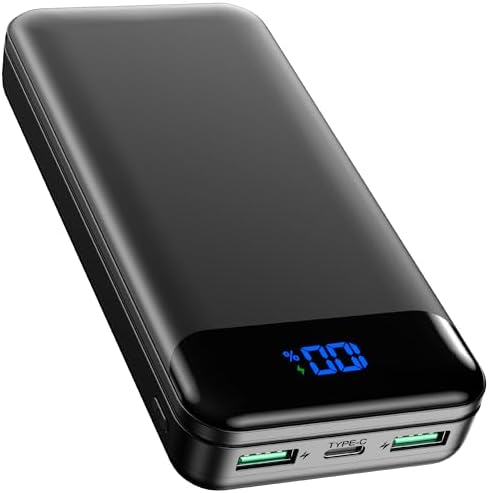
When shopping for portable power banks, several key features should dominate your decision-making process. One of the most critical aspects is capacity, measured in milliampere-hours (mAh). The capacity determines how much power a bank can store and, consequently, how many times it can recharge your devices. A higher mAh rating is particularly beneficial for users who rely on their devices throughout the day, as it ensures that they will not run out of power unexpectedly.
Next, consider the charging speed, often defined by the output amperage (A). A portable power bank with a higher output amperage can deliver power to devices faster than one with lower ratings. This feature is particularly important for users who have devices that require quick top-ups during busy schedules. Fast charging compatibility is an essential consideration, especially for modern smartphones and tablets that support protocols like Qualcomm Quick Charge or Power Delivery. Without such compatibility, users may find their devices take significantly longer to recharge, leading to inconvenience.
Moreover, having multiple output ports is a feature that enhances the versatility of a power bank. With multiple ports, users can charge several devices simultaneously, which is particularly advantageous for those with multiple gadgets or when traveling with family. Conversely, a power bank with only a single output may limit your ability to charge various devices at once.
In addition, check for safety features such as overcharge protection, short-circuit prevention, and temperature control. These safety mechanisms are crucial in safeguarding both the power bank and the devices being charged. Overall, considering these key features will not only help in selecting the right portable power bank but also ensure a safer and more efficient charging experience.
How to Choose the Best Power Bank: A Buying Guide
Choosing the right power bank can significantly enhance your electronic devices’ usability during travel or while on the go. To ensure you make a well-informed decision, several factors should be considered.
First and foremost, understanding capacity is critical. Power banks are often rated in milliamp-hours (mAh) or watt-hours (Wh). A higher mAh rating generally indicates a greater capacity, capable of charging your devices multiple times. For instance, a 10,000mAh power bank can charge a smartphone with a 3,000mAh battery approximately three times, while a 20,000mAh option offers even more versatility.
Fast charging standards also play a pivotal role in the selection process. Many modern devices support quick charging protocols such as Qualcomm Quick Charge or USB Power Delivery (PD). Opting for a power bank that conforms to these standards can accelerate your device’s charging time significantly, which is particularly beneficial when time is of the essence.
Airline safety regulations should not be overlooked when considering a power bank. Most airlines have restrictions on carrying power banks over a certain mAh limit (usually 100Wh or approximately 27,000mAh). It is advisable to check the specific guidelines of the airline you will be flying with to prevent any issues during your travels.
Finally, assessing overall value for money is essential. Compare various brands and models in terms of price, features, and warranty options. Reading customer reviews can also provide insight into the durability and reliability of the power bank.
In conclusion, prioritizing capacity, fast charging capabilities, airline regulations, and price can guide you toward an optimal choice. Ensure to compare different models and consider best sellers to make an informed choice that aligns with your needs.
