
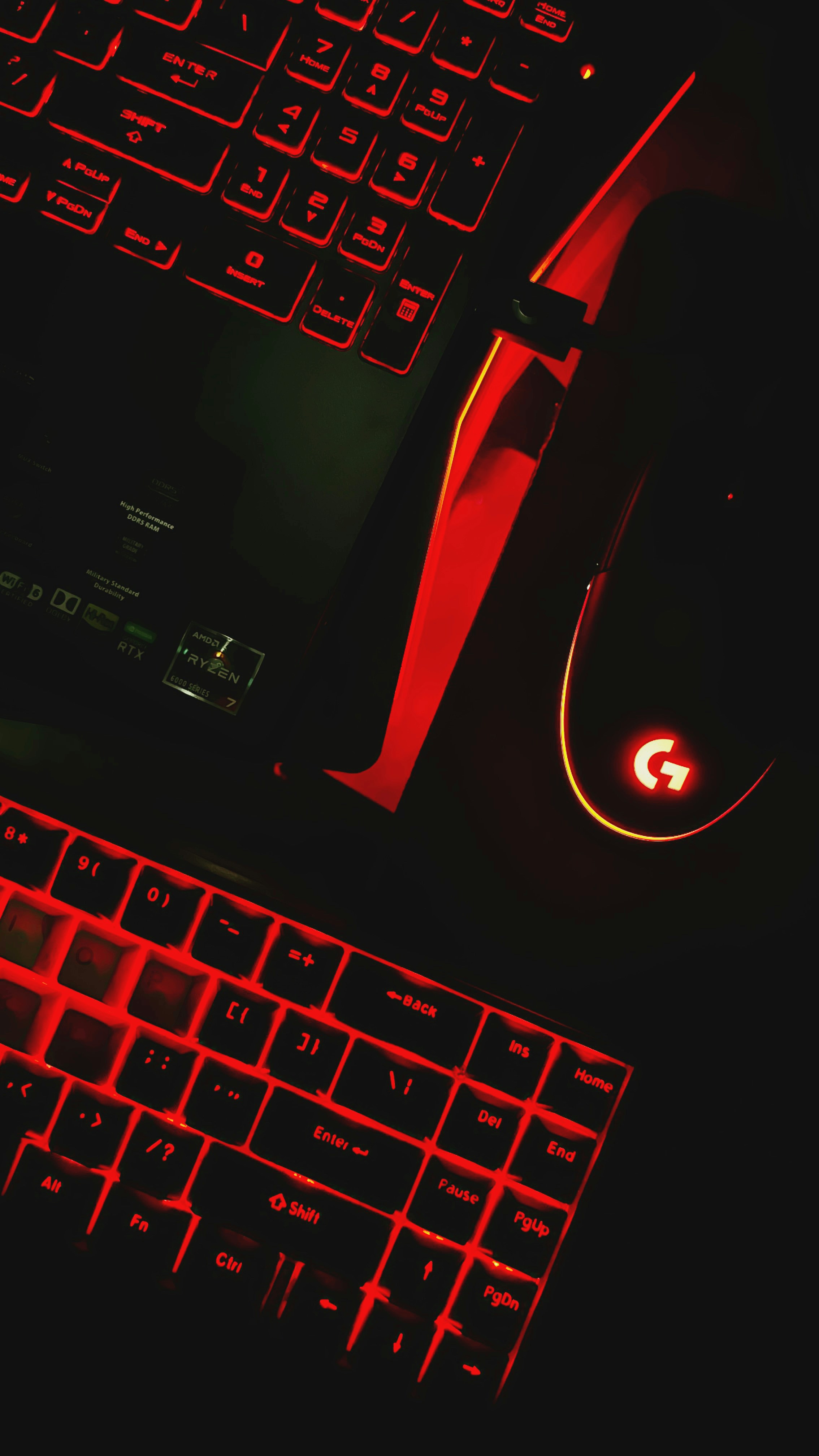
Introduction to Keyboards in 2026
In the digital age of 2026, the keyboard remains an essential tool for both work and leisure, serving as the primary interface between the user and their device. As the world has become increasingly reliant on technology, the importance of selecting the right keyboard cannot be overstated. A keyboard significantly affects productivity, user comfort, and overall experience, making it critical for individuals and businesses to choose wisely.
The variety of keyboards available today is vast, spanning different types, features, and functionalities. From mechanical to membrane keyboards, and ergonomic designs to compact models, each type caters to different needs. Mechanical keyboards are favored for their tactile feedback and durability, making them popular among gamers and typists who seek precision. On the other hand, membrane keyboards are typically quieter and are preferred for their lightweight design, appealing to those who prioritize portability.
When considering a keyboard purchase, factors such as switch type, layout, backlighting options, and compatibility with various devices should be taken into account. For instance, mechanical switches come in various colors, each offering distinct tactile responses and sound profiles. Ergonomic designs may be beneficial for those who spend extended hours typing, as they can reduce strain on the wrists and fingers. Additionally, wireless vs. wired options present their own advantages and drawbacks, depending on usage scenarios.
Moreover, the advent of smart technology has introduced keyboards with customizable features, programmable keys, and enhanced multimedia controls, which can further enrich the user experience. This evolution in keyboard technology not only reflects changing user preferences but also aligns with the need for more adaptive and efficient tools in professional and personal settings.
Best Keyboards for Office Work and Productivity
In an office environment, the right keyboard can significantly enhance productivity and overall work experience. Professionals who spend long hours typing documents, creating spreadsheets, or engaging in communication will benefit from a keyboard designed with efficiency in mind. Keyboards that prioritize typing comfort, response time, and ergonomic considerations are particularly essential for reducing fatigue and preventing repetitive strain injuries during extended use.
Among the most common issues faced by office workers are discomfort during typing and increased risk of musculoskeletal injuries. To alleviate these problems, it is vital to choose a keyboard equipped with features such as adjustable height, a cushioned palm rest, and tactile feedback. Mechanical keyboards, for instance, are often favoured for their durability and satisfying click response, which can enhance typing speed and accuracy.
When selecting a keyboard for productivity, professionals should consider several essential features, including key switch type, layout, and connectivity options. Different key switches cater to varied preferences; some users may prefer the tactile response of mechanical switches, while others might opt for the quieter operation of membrane keyboards. Furthermore, wireless capabilities can help eliminate cable clutter on desks, but it is essential to ensure a reliable connection to avoid interruptions during work.
However, there are potential trade-offs with different keyboard types. For instance, while mechanical keyboards offer an immersive typing experience, they can also be louder and bulkier than their membrane counterparts. Prioritizing features that align with personal needs and office environments will yield the best results. A common mistake when purchasing a keyboard for office work is underestimating the importance of comfort over aesthetics. Investing in ergonomically designed keyboards can lead to improved productivity and overall job satisfaction.
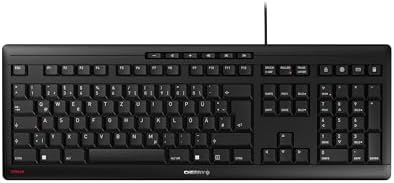


Best Keyboards for Remote Work and Home Offices
As more individuals transition to remote work or set up home offices, the necessity for suitable tools becomes paramount. A key factor in enhancing productivity during work-from-home scenarios is the keyboard. Remote workers require keyboards that not only support extensive typing but also promote comfort and health through ergonomic design. Consequently, selecting the best keyboard involves careful consideration of specific features tailored to remote working needs.
Ergonomics plays a significant role in preventing repetitive strain injuries, which can be exacerbated by long hours of typing. Keyboards that feature a split design or a positive tilt can help to maintain a more natural wrist position, reducing discomfort over time. Additionally, keyboards with cushioned wrist rests provide extra support, making extended use more comfortable. Remote workers should prioritize these ergonomic features to ensure they maintain a healthy workspace.
Wireless capabilities are another critical consideration for home office setups. Bluetooth or wireless USB receivers eliminate the clutter of cords, allowing for greater flexibility in arranging a workspace. Many modern keyboards offer seamless connections to multiple devices, enabling users to switch their typing focus between computers, tablets, and smartphones effortlessly. However, potential limitations such as battery life and connectivity issues should be kept in mind; selecting a keyboard with a long battery life or one that offers rechargeable options can mitigate these concerns.
While many keyboards on the market cater to these needs, some common pitfalls should be avoided. For instance, opting for a keyboard solely based on aesthetics without regard for functionality can lead to dissatisfaction. Additionally, keyboards with hard-to-press keys can hinder typing speed and accuracy, negatively impacting productivity. It is essential to test a keyboard’s feel and responsiveness before purchase to ensure that it aligns with your individual typing style.


Best Keyboards for Programming and Typing
Choosing the right keyboard is crucial for programmers and heavy typists who require efficiency and comfort in their daily tasks. The key switch types play an essential role in this selection, as they directly influence tactile feedback and typing experience. Mechanical switches are often favored due to their robust construction and personalized feedback, which can lead to increased typing speed and reduced finger fatigue during long coding sessions.
In addition to the switch types, custom layouts can significantly enhance productivity. A compact layout or a split keyboard design can reduce strain on the wrists and encourage a more natural hand position. Programmers often benefit from keyboards with programmable keys, allowing the assignment of macros or shortcuts that streamline workflow. These additional features can significantly affect the efficiency of coding tasks.
It’s also important to consider ergonomic designs when selecting a keyboard for programming. Ergonomics are vital to minimizing discomfort during prolonged use, as poor posture can lead to repetitive strain injuries. Keyboards with wrist rests, adjustable angles, and soft-touch keys can help mitigate these concerns, making them ideal choices for users who spend extended periods typing.
However, trade-offs exist in this decision-making process. For example, while mechanical keyboards offer a great tactile feel, they may not be suitable for those who work in quieter environments due to their clicky sound. Moreover, investing in a high-quality keyboard can come at a higher price point, making it essential for users to evaluate their underlying needs against their budget constraints.
Ultimately, finding the best keyboard for programming and typing involves balancing tactile feedback, layout customization, and ergonomic considerations. Taking the time to understand personal preferences and typing habits can lead to a more satisfying typing experience.


Best Keyboards for Gaming
In the realm of gaming, the performance of a keyboard can significantly influence the overall experience and competitive edge of players. To cater specifically to gamers, manufacturers have introduced various features that enhance key responsiveness, ensuring that every keystroke results in immediate feedback. Such responsiveness is critical in fast-paced gaming scenarios, where milliseconds can determine victory or defeat.
One of the standout features found in many gaming keyboards is the anti-ghosting capability. This technology allows multiple keys to be pressed simultaneously without any missed commands, which is essential in genres like first-person shooters or multiplayer online battle arenas where quick and accurate inputs are paramount. As gaming strategies often require executing complex combinations of movements and actions, the ability to seamlessly rely on every key becomes invaluable.
Furthermore, customizable RGB lighting adds a layer of personalization that not only makes for an aesthetically pleasing setup but also serves practical purposes. Gamers can program the lighting effects to correspond with in-game alerts or create immersive atmospheres that enhance the overall gaming environment. This customization can also allow players to recognize key zones easily during intense gameplay sessions.
However, it is important to note that gaming keyboards are not without their downsides. Compared to general-use keyboards, they can be bulkier and may pose issues for those who require a more minimalist setup. Additionally, the investment in a high-quality gaming keyboard can be considerable, potentially exceeding the budget for casual gamers who may not use all the advanced features. Ultimately, gaming keyboards primarily suit those dedicated to high-performance gaming, providing tools that address specific challenges faced in competitive and immersive gaming scenarios.


Compact and Wireless Keyboards
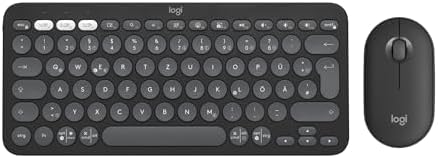
In the contemporary digital era, the demand for compact and wireless keyboards has surged, especially among users who have limited desk space or those who frequently work while on the move. These keyboards offer a practical solution for individuals seeking efficiency without compromising on usability.
One of the primary advantages of compact and wireless keyboards is their superior portability. These designs are specifically tailored for travelers, remote workers, and students who require flexibility in their workspace arrangements. Compact keyboards typically feature a streamlined layout that discards unnecessary keys, allowing users to shift comfortably from a traditional desktop setup to a more mobile one. Furthermore, wireless functionality eliminates the need for tangled cords, enabling users to maintain a tidy environment whether at a coffee shop, library, or home.
Certain user groups may particularly benefit from compact and wireless keyboards. Tech enthusiasts, gamers, and office workers who prioritize efficiency and organization might prefer this type of keyboard due to its ability to fit seamlessly into diverse workspaces. Professionals who travel frequently or students who operate in shared environments often find that the lightweight design and easy connectivity of these keyboards significantly enhance their productivity.
When considering a compact and wireless keyboard, there are critical features that should be evaluated. Look for models that offer reliable battery life, comfortable key travel, and responsive connectivity options such as Bluetooth or USB receivers. Additionally, functionality like programmable keys and backlighting may enhance the user experience. However, potential limitations should also be acknowledged, including the possibility of fewer keys and reduced tactile feedback compared to full-sized counterparts, which may not suit every user’s preference.
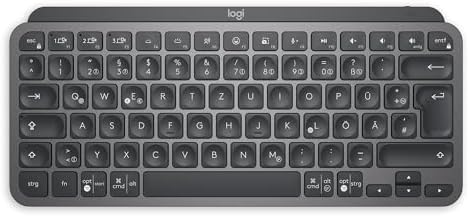
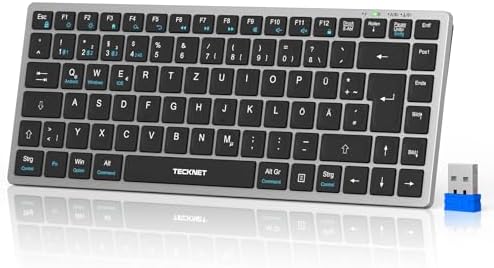
Best Budget-Friendly Keyboards
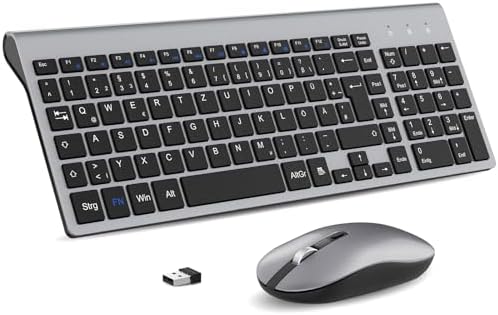
For those shopping on a budget, finding a high-quality keyboard that suits your needs can be a challenging task. Fortunately, the market has a variety of options for budget-conscious consumers that strike a balance between functionality and price. The best budget-friendly keyboards often cost less than $50, yet they can deliver commendable performance.
When selecting a budget keyboard, it is essential to pay attention to key features that can significantly enhance your typing experience. First, consider the type of switches used in the keyboard. Budget models often come with membrane switches, which are quieter but might lack the tactile feedback some users prefer. Mechanical keyboards, while typically more expensive, have become more affordable in recent years and are worth looking for if you value durability and responsiveness.
Another important aspect to evaluate is the layout and design of the keyboard. Compact and ergonomic designs can promote better posture during extended use and are advantageous for those working from home or engaged in lengthy gaming sessions. Additionally, integrated features such as multimedia controls and customizable keys offer extra value, enhancing usability without a significant increase in cost.
However, there are trade-offs when choosing budget-friendly options. One common pitfall is the compromises on build quality; cheaper keyboards may not withstand heavy usage. Thus, opt for models with good customer reviews and warranties to safeguard your investment. Furthermore, budget keyboards might lack certain features found in high-end models, such as backlighting or advanced connectivity options. Recognizing these limitations can help consumers make informed, value-based decisions.
In summary, the best budget-friendly keyboards offer a solid typing experience without overstretching your finances. By focusing on essential features, considering user feedback, and acknowledging possible compromises, you can find a cost-effective keyboard that meets your computing needs.


Common Mistakes When Choosing a Keyboard
When selecting a keyboard, buyers often make several common mistakes that can result in dissatisfaction with their choice. One prevalent error is overlooking ergonomics. Many users tend to focus solely on the aesthetic appeal or the latest trends in keyboard design, neglecting how the keyboard fits into their daily use. Ergonomically designed keyboards can significantly enhance comfort, particularly for those who spend long hours typing. Prioritizing ergonomics can help avoid strain injuries, which could affect productivity and overall well-being.
Another frequent mistake is failing to consider the keyboard layout and switch type that best suits individual needs. For instance, mechanical switches are favored for their tactile feedback and durability; however, they may be too loud for shared workspaces. Conversely, membrane keyboards might be quieter, but they typically lack the responsiveness required for gaming or fast typing tasks. Therefore, it is crucial to evaluate how the keyboard will be used. Testing different switch types can provide insight into personal preferences and functionality.
Furthermore, some buyers mistakenly assume that all keyboards are universally compatible with various operating systems. This assumption can lead to frustration when a newly purchased keyboard does not perform as expected. To avoid this pitfall, potential buyers should verify compatibility with their devices. Researching and reading reviews on specific models can provide valuable information and help prevent compatibility issues.
Lastly, many individuals disregard the importance of key travel and actuation force. These factors play a vital role in typing comfort and speed. The ideal key travel may vary from one user to another, as some may prefer shorter keystrokes, while others might enjoy a more pronounced feedback. Taking the time to learn about these specifications can greatly enhance the typing experience.
Practical Buying Guide for Keyboards
When it comes to selecting the best keyboard for your needs in 2026, several key considerations should be kept in mind to ensure a satisfactory purchase. First, evaluate the type of keyboard layout that suits you best. Options range from full-size keyboards to tenkeyless designs, which omit the numeric keypad, and compact keyboards, which save desk space. Your workspace dimensions and personal preference for key placement should guide this decision.
Ergonomics is another crucial factor to consider. A keyboard that promotes a natural wrist position can greatly reduce strain during extended typing sessions. Look for options with adjustable angles, cushioned wrist rests, or those specifically designed for ergonomic support. This will contribute significantly to your overall comfort and productivity.
Noise levels can also impact your experience. Mechanical keyboards, for example, tend to be louder, while membrane keyboards offer quieter operation. Depending on your environment—be it a quiet home office or a bustling workspace—select a keyboard that minimizes noise to avoid disturbing others and maintain your focus.
Next, decide between wireless and wired keyboards. Wireless options offer flexibility and cleanliness by eliminating cables, though they may require battery management. Wired keyboards provide a stable connection and can be essential for gaming or professional use where response time is critical.
Lastly, ensure that you are getting value for your money. Research the best sellers and compare popular keyboards in terms of features, durability, and price. Reading user reviews can also provide valuable insights into the long-term performance of the keyboards you are considering. Make an informed decision to enjoy the best typing experience for your needs.
For an efficient start, check out current best-selling keyboards and their specifications to make side-by-side comparisons. This will support your quest to find the ideal keyboard that meets your unique requirements.
