
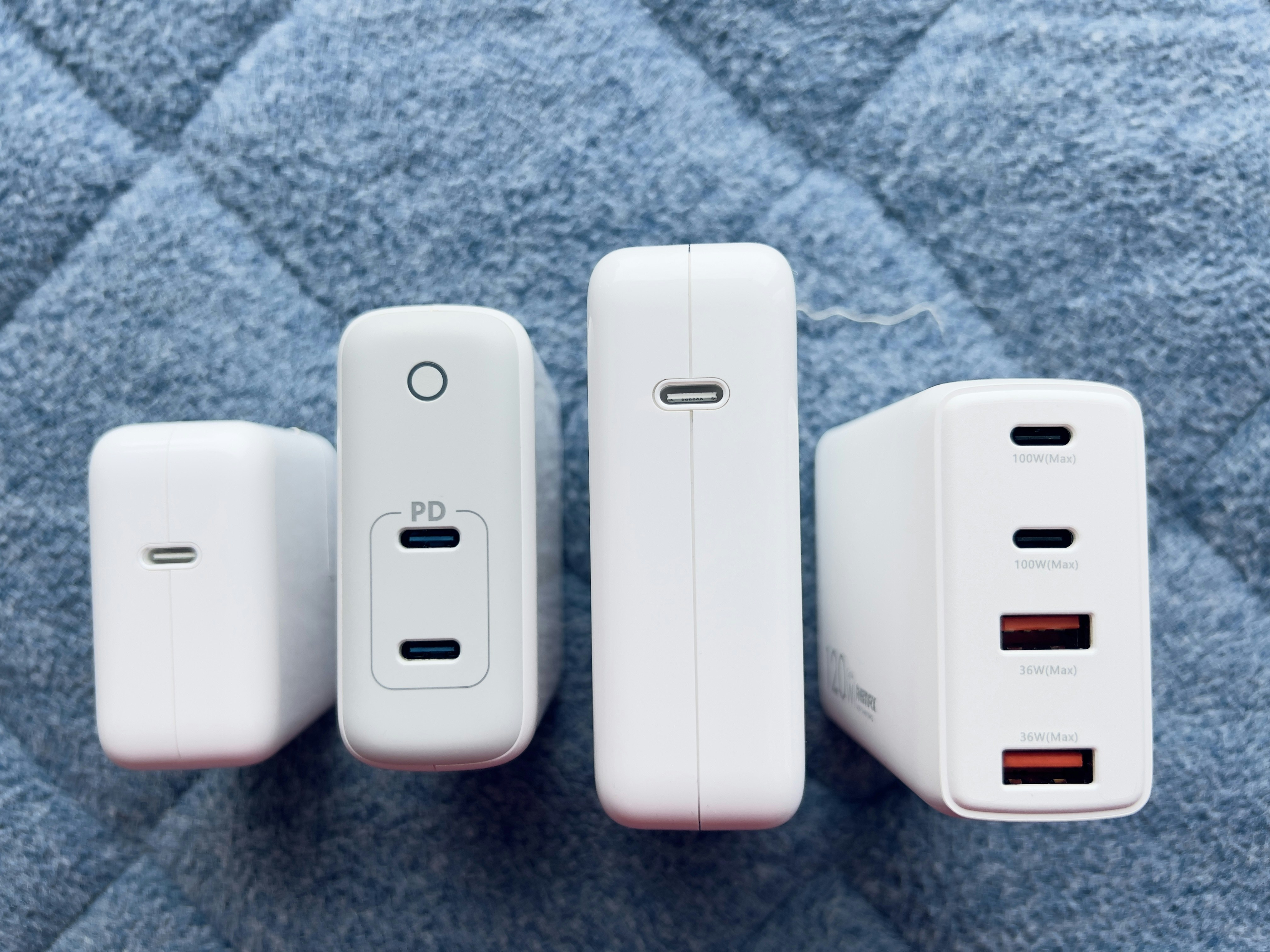
Introduction to USB-C Chargers
USB-C, short for Universal Serial Bus Type-C, is a universal connector standard that has revolutionized the way we charge and connect devices. Introduced in 2014, USB-C offers numerous advantages over its predecessors, such as USB-A and USB-B, making it an essential component of modern technology. Unlike previous USB standards, USB-C connectors are reversible, allowing users to plug them in either way conveniently. This feature, among others, has contributed to the growing popularity of USB-C in various applications, including smartphones, laptops, tablets, and even peripheral devices.
One of the most significant benefits of USB-C is its enhanced power delivery capabilities. USB-C can support higher wattages, enabling faster charging and greater energy transfer. This means that not only can a USB-C charger efficiently power up smartphones, but it can also charge larger devices, such as laptops, at higher speeds. Additionally, the USB Power Delivery (PD) protocol allows for flexible power management, which adjusts the power requirements based on the devices being connected. This adaptability has contributed to the increasing prevalence of USB-C chargers in the marketplace.
The widespread adoption of USB-C technology is evident across a plethora of electronic devices. As manufacturers continue to phase out older charging standards, consumers are encouraged to transition to USB-C compatible devices. This shift simplifies the charging ecosystem, reducing the number of cables and adapters required. With a focus on sustainability, the universal nature of USB-C also promises to reduce electronic waste, as one charger can serve multiple devices.
This guide aims to assist readers in navigating the burgeoning USB-C landscape, helping them find the right charger and accessories tailored to their specific needs. As consumers increasingly rely on USB-C technology, understanding its fundamentals is critical to making informed purchasing decisions.
Best USB-C Chargers for Travel
Travel has become an essential part of many individuals’ lives, whether for business, leisure, or the growing trend of remote work and digital nomadism. As the demand for efficient and convenient power solutions increases, USB-C chargers have emerged as a traveler’s best friend. These versatile chargers are compatible with a majority of modern devices, making them ideal for a wide range of users.
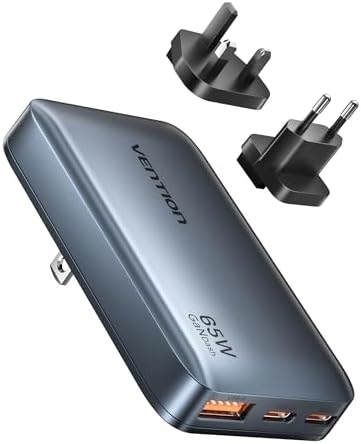
One of the primary advantages of USB-C chargers for travelers is their compact size and lightweight design. Unlike traditional chargers, which can be bulky and cumbersome, the best USB-C chargers for travel are specifically designed for portability. This feature is especially beneficial for frequent flyers who need to minimize what they carry in their hand luggage. With a well-chosen USB-C charger, one can ensure that their devices are charged without sacrificing valuable packing space.
Moreover, the efficiency offered by USB-C chargers is noteworthy. Many models available in the market provide sufficient power delivery, enabling quick recharges for smartphones, laptops, and other devices. Fast charging capabilities ensure that travelers spend less time in transit and more time enjoying their journey or focusing on work commitments. However, travelers should be aware of potential trade-offs. Some chargers may not deliver adequate power for larger devices like laptops, or they may have limited ports, making it challenging to charge multiple devices simultaneously.
To make an informed choice, avoid common mistakes such as selecting a charger that is not travel-friendly or fails to support international voltage standards. A quality travel USB-C charger should be versatile, include multiple charging options, and be compatible with various voltage systems to avoid issues abroad. By investing in the right USB-C charger, travelers can ensure they stay powered up while on the go.

![INIU 30W USB C Ladegerät, 2-Port [USB C + USB A] Reise Schnelllad...](https://m.media-amazon.com/images/I/418UW2XMFQL.jpg)
Best USB-C Chargers for Home and Office Desks
As technology continues to advance, the demand for efficient charging solutions has surged. USB-C chargers have emerged as a primary choice for both home and office environments due to their versatility and fast charging capabilities. Professionals, students, and remote workers especially benefit from these chargers, considering the dynamic nature of their devices and the need for reliable power sources.
When selecting a USB-C charger for use on home and office desks, several key features should be prioritized. Firstly, power delivery capabilities are crucial; chargers with higher wattage can accommodate multiple devices simultaneously, making them ideal for users with laptops, smartphones, and tablets. A charger that offers multiple ports can reduce clutter and streamline the charging process, allowing users to power various devices without needing several wall adapters. Additionally, integrating safety features such as surge protection is vital to prevent damage to devices from power fluctuations.
However, there are limitations to consider when choosing USB-C chargers for desk use. Space can be a constraint, particularly in compact work environments, leading to potential challenges in placement. Users may also need to be mindful of the aesthetics of the charger, as bulky or unattractive designs can detract from the sleek look of modern workspaces. Furthermore, one common mistake is underestimating wattage needs; it is essential to select a charger that matches the maximum power requirements of your devices to ensure optimal performance.
In conclusion, investing in a quality USB-C charger for home and office use can significantly enhance productivity and convenience. By focusing on essential features and being aware of potential limitations, users can make informed choices that align with their charging requirements.

Best Fast Chargers for Phones, Tablets, and Laptops
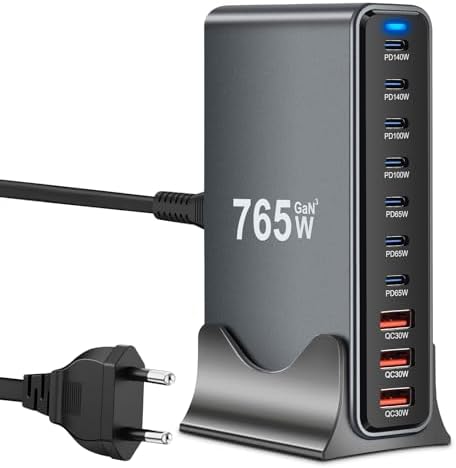
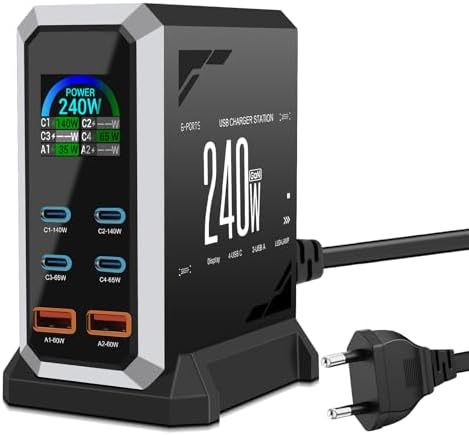
In the evolving landscape of USB-C chargers, selecting the right fast charger for phones, tablets, and laptops is critical, particularly for heavy users who require efficient power solutions. Fast charging has become a significant necessity as devices become more advanced, demanding more power in less time. When evaluating fast chargers, it is essential to consider factors such as charging speed, compatibility with different devices, and additional features that can enhance the charging experience.
Charging speed is typically measured in wattage, and this is a key factor to evaluate when choosing a charger. For instance, most smartphones support fast charging in the range of 18W to 100W, while laptops may require chargers that provide anywhere from 45W to 100W or more. Understanding the wattage requirements of your specific devices ensures that you select a charger capable of delivering optimal performance without damaging the device.
Moreover, smart charging technology plays a pivotal role in enhancing the charging process. This technology allows the charger to communicate with the device to deliver the appropriate amount of power, which helps in preventing overheating and prolonging battery life. It is important to look for chargers that support accepted fast charging protocols, such as Power Delivery (PD) or QualComm Quick Charge (QC), to ensure compatibility and efficiency.
The size and portability of the charger remain significant considerations, especially for users who travel frequently. While larger chargers may offer higher wattage, they can be cumbersome to carry. Compact chargers, on the other hand, may sacrifice speed but are more convenient. Finding the right balance between cost, performance, and size is essential to your decision-making process.
However, common pitfalls include opting for chargers that do not adhere to the necessary fast charging protocols or lack device compatibility. These mistakes can lead to inadequate charging performance or even potential damage to your devices. To ensure the longevity and efficiency of your gadgets, careful selection of the right USB-C fast charger is paramount.

Best Multi-Port USB-C Chargers for Multiple Devices
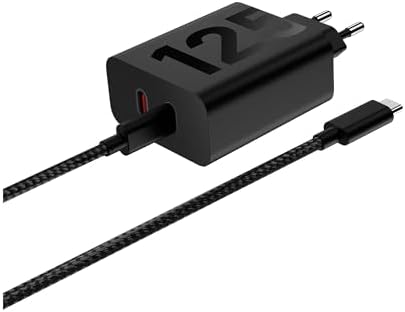
In today’s technology-driven world, the necessity for efficient charging solutions has become paramount, particularly for users managing multiple devices. Multi-port USB-C chargers offer an optimal solution, catering to the needs of families or tech-savvy individuals who require simultaneous charging for smartphones, tablets, laptops, and other gadgets. These chargers typically feature several USB-C ports, allowing for the connection of multiple devices at once, which streamlines the charging process and reduces clutter.
One of the key aspects to consider when selecting a multi-port USB-C charger is the number of available ports. Most chargers offer two to four ports, but some advanced models can accommodate even more devices. Additionally, one should evaluate the power distribution capabilities of the charger. Ideally, a high-quality multi-port charger will intelligently distribute power across all connected devices while ensuring that each device receives adequate charging speed. The ability to maintain high speed while charging multiple gadgets is essential for efficiency and user satisfaction.
However, users should be mindful of the potential drawbacks associated with multi-port USB-C chargers. Notably, increased bulkiness can be an issue; larger models may be less portable, making them impractical for travel. Furthermore, individuals often underestimate their total charging requirements when selecting a charger, leading to compatibility issues. It is crucial to check the wattage output of the charger and compare it with the specific needs of each device, as overlooking compatibility can result in inadequate charging performance.
In summary, multi-port USB-C chargers serve as an effective solution for users with multiple devices, offered through diverse options that balance power distribution and charging speed. By carefully evaluating the features, limitations, and overall compatibility, consumers can ensure they select the right multi-port charging solution for their needs.

Best Compact and Budget-Friendly USB-C Chargers
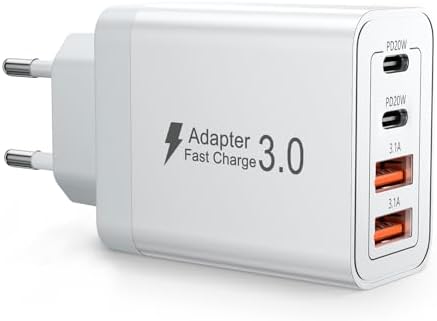
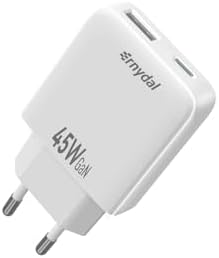
In today’s tech-driven world, finding an affordable USB-C charger that does not compromise on quality is essential for many users. Compact and budget-friendly USB-C chargers cater to the needs of cost-conscious consumers, including students, casual users, and those who require charging accessories without breaking the bank. These chargers typically offer functionalities that suit basic charging needs, making them an attractive option for individuals who prioritize price and portability.
When selecting compact USB-C chargers, potential buyers should consider several key features. Price is often the first factor, with many budget-friendly options available under $20. Despite their lower price point, these chargers can still deliver the essential power required for smartphones, tablets, and other devices. Size is another critical aspect, as compact designs facilitate easy storage in backpacks or bags, adding convenience for users who are always on the go. Minimalistic design features, such as sleek finishes and lightweight materials, enhance portability without sacrificing functionality.
However, opting for budget-friendly solutions might require some trade-offs. Generally, these USB-C chargers may deliver lower output power, which could mean slower charging times. Additionally, users might find fewer functionalities—such as the absence of multiple ports or advanced safety features—compared to their more premium counterparts. One common mistake made by consumers is sacrificing quality for a lower price, often resulting in poor performance or safety issues. It is vital to choose chargers from reputable brands and ideally look for certifications such as USB-IF to ensure a safe and reliable charging experience.

Understanding Key Features of USB-C Chargers
As technology continues to evolve, USB-C has emerged as the universal standard for charging and transferring data across devices. When choosing a USB-C charger, understanding its key features is crucial for making an informed decision. A fundamental aspect of USB-C chargers is Power Delivery (PD), which refers to the technology that allows for higher power levels to be delivered efficiently to compatible devices. Chargers with PD capabilities can significantly shorten the charging time for devices like smartphones, laptops, and tablets.
Another critical feature is charging speed. USB-C chargers can vary in wattage, with higher wattage chargers being able to deliver faster charging speeds. For instance, a 20W charger can power up smartphones quickly, while a 60W or 100W charger is more suited for laptops. The charging speed is dependent not only on the charger but also on the device’s maximum supported input. Therefore, it’s advisable to select a charger that meets or exceeds the device’s charging specifications for optimal performance.
Compatibility is also a vital consideration. Most USB-C chargers are designed to work with various devices, but it is essential to verify compatibility with specific electronics. Furthermore, the number of ports available on the charger can impact convenience. Single-port chargers are more portable while multi-port options allow simultaneous charging of multiple devices, making them ideal for users with several gadgets.
Safety certifications are another aspect worth noting. Chargers that come with certifications such as UL or CE ensure that they meet safety standards, protecting both the charger and the devices being charged from potential hazards. Lastly, the physical size of the charger should be taken into account based on personal usage scenarios—whether for travel or desk use, ensuring optimal portability and usability.
Common Trade-offs and Limitations of USB-C Chargers
USB-C chargers have gained significant popularity due to their versatility and fast charging capabilities. However, potential buyers should be aware of various trade-offs and limitations that can impact their selection process. One key factor to consider is the balance between cost and features. Higher-end USB-C chargers often come with additional features such as multi-device charging or advanced safety mechanisms, which can justify their higher price. Conversely, budget options may lack these features, making them less dependable in terms of performance and safety.
Another important trade-off involves size versus power. Compact USB-C chargers are more portable, making them ideal for travelers or those who prefer to carry lightweight accessories. However, smaller chargers typically offer lower wattage output, which may not support rapid charging for high-demand devices like laptops or tablets. Consumers need to evaluate whether they prioritize portability over charging speed, as this can significantly influence their user experience.
Moreover, the versatility of USB-C chargers can sometimes come with limitations. While many devices now support USB-C charging, compatibility issues may still arise with older equipment that requires different connectors. Buyers must ensure that the chargers they choose serve the intended devices effectively without facing compatibility challenges. Furthermore, certain chargers may have specific power requirements, which can affect overall performance across different devices.
Overall, understanding these trade-offs—such as cost versus features, size versus power, and portability versus versatility—can empower consumers to make informed decisions when selecting USB-C chargers. This awareness can lead to a better investment, aligning charging accessories with their specific needs and enhancing overall satisfaction.
Practical Buying Guide for USB-C Chargers
When selecting a USB-C charger, it is essential to consider various factors to ensure you make an informed decision that best suits your charging needs. One of the primary aspects to examine is the power requirements, commonly measured in wattage. Different devices, such as smartphones, tablets, and laptops, have varying power demands. For example, most smartphones charge efficiently with 18W to 30W chargers, while laptops may require chargers offering 45W or more. It is advisable to check the wattage specifications provided by your device’s manufacturer, ensuring compatibility and optimal charging speeds.
Device compatibility also plays a crucial role in your buying decision. While USB-C is becoming the industry standard, not all devices support the same charging protocols. It is beneficial to look for chargers that support Power Delivery (PD) technology, as this feature enhances fast charging capabilities and supports a broader range of devices. Additionally, consider whether the charger has multiple ports, which can be a cost-effective solution for households with several devices needing charging.
Safety certifications are another critical consideration. Opt for chargers that bear recognized safety certification marks such as UL or CE. These certifications indicate that the charger has undergone rigorous testing to ensure it meets safety standards, reducing the risk of overheating, short circuits, and other potential hazards. Lastly, assess your budget by comparing options that deliver the best value for your money. Investing in a reputable brand known for reliability can often pay off in the long run.
For those seeking the current best sellers, consider visiting online electronics retailers and comparing reviews. This practice can assist in identifying top-rated USB-C chargers that meet your specific requirements.
